
Gris: a visually stunning platforming journey
A review for one of the most beautiful videogames I've ever played. A platforming puzzle game with an artstyle that will take your breath away and an emotional undertone to match.
For many years one of my favorite videogame sounds has been In Your Hands—even mentioned it on a post about music that’s always in my head—a soothing and melancholic score that comes from Gris, an indie game developed by Nomada Studio, released in 2018.
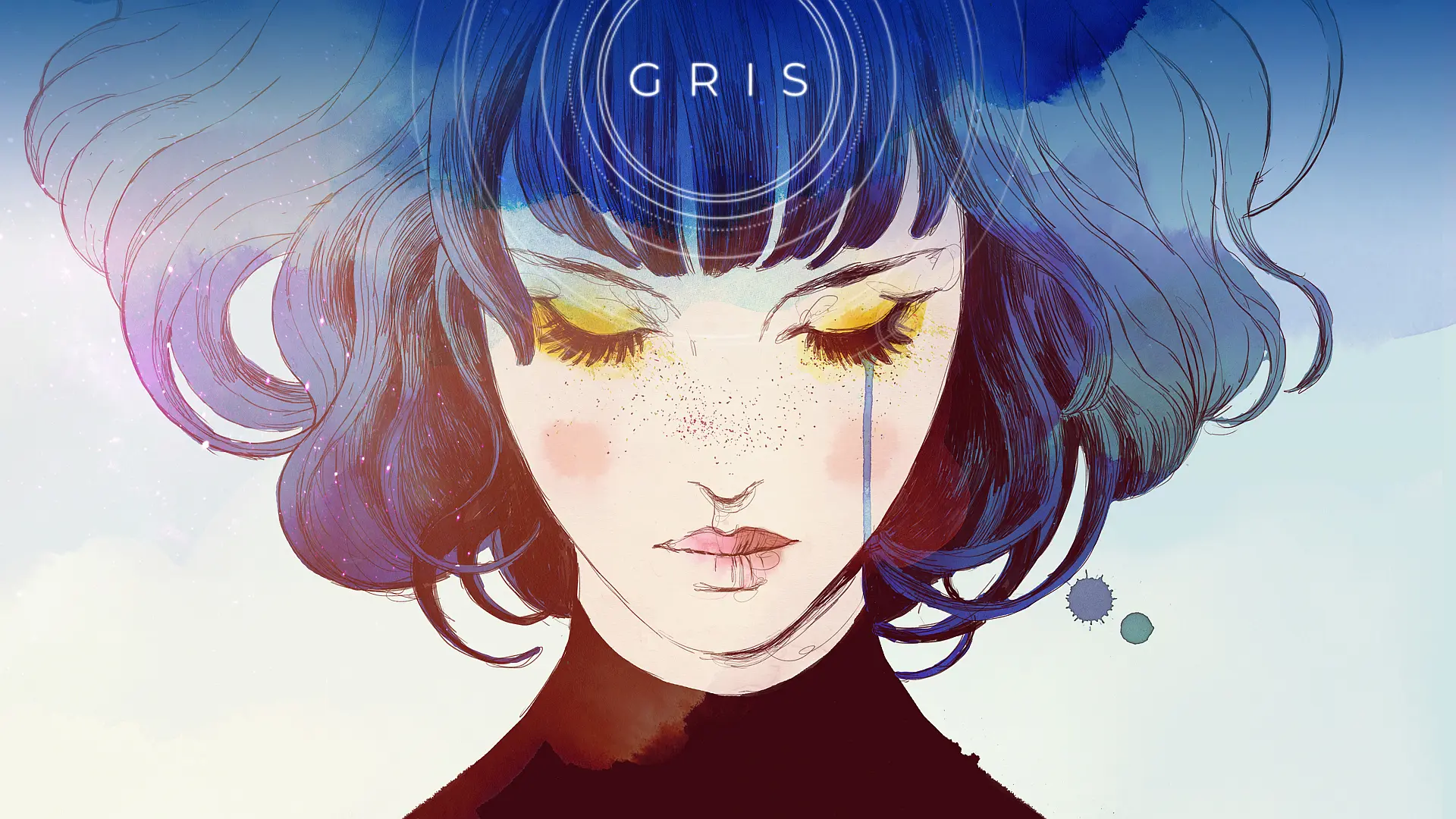
I will be saying this many times during the review, but it is simply true. Gris is one of the most beautiful games ever made. It combines watercolors, ink, contrast, shapes, angles, curves, everything. This videogame is a moving painting, it belongs in a museum exhibit, and it’s an absolute steal that someone can play something like this (and it’s actually on sale for Switch right now)
Perhaps I am exagerating a little bit, but barely! Every environment, every background, every character asset is made with purpose! And obviously most games put a lot of work into that, but well, I don’t know. I just love the style here, and regardless of the mechanics and the story, it is just super pretty to look at and listen to, of course.
Gris is a platforming puzzle game where we embark on a journey following a girl with blue hair and a black dress, after she falls from the hand of a statue shaped after a woman, on to a colorless world, a blank canvas with old ruins and structures, where she has to find her way against the terrain and the environment around her.
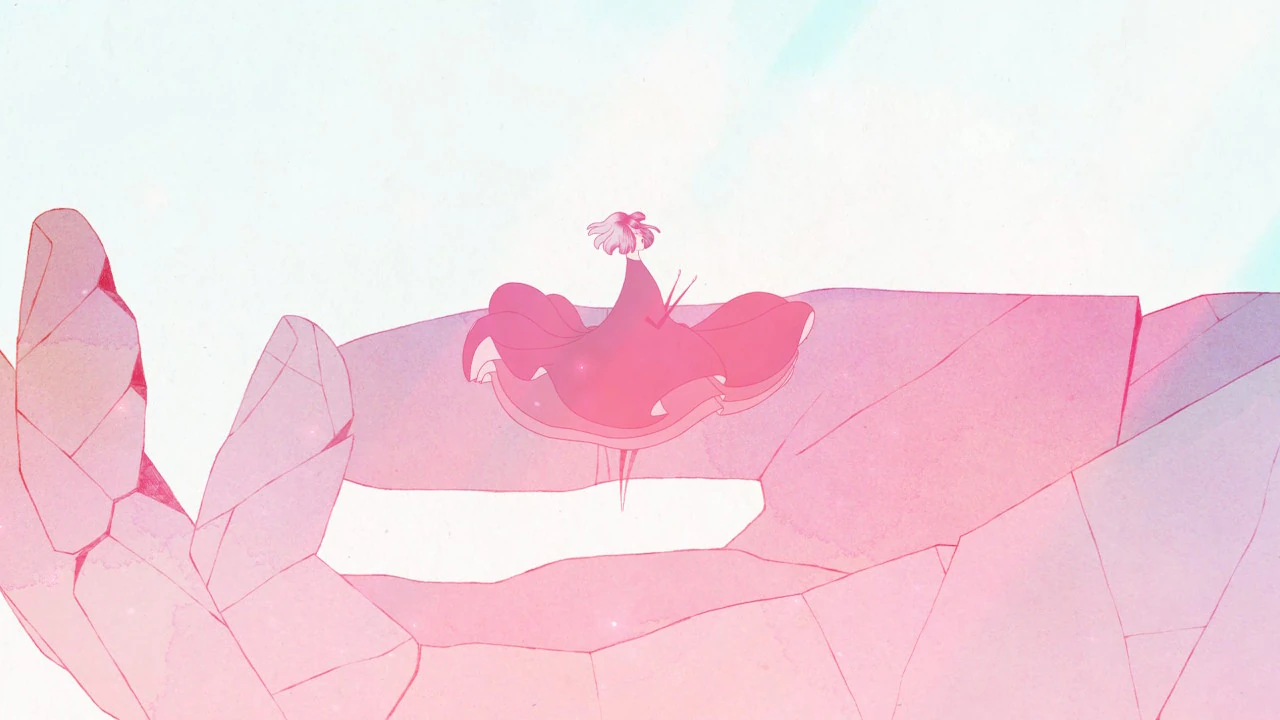
During the adventure, she goes through multiple challenges, restoring statues similar to the woman from the beginning of the game, and carving a path upwards among the stars—she actually has to collect some lights that become platforms for her. Gris also learns new abilities that let her reach new areas and solve different platforming puzzles. During all of this, she slowly revives the blank canvas, bringing back an explosion of colors one by one.
It is a very minimal game that can be completed in about five hours, and can even be considered more of a “walking simulator”, given the easy difficulty of the platforming and relative simplicity of its puzzle design.
There is no dialogue in Gris—there’s almost no text at all to be seen—so the story is inferred from other artistic elements; the animation work, the music and visuals definitely leave an impression, and become more striking as we reach new areas themed after the colors we unleash, with new platforming elements and mechanics.
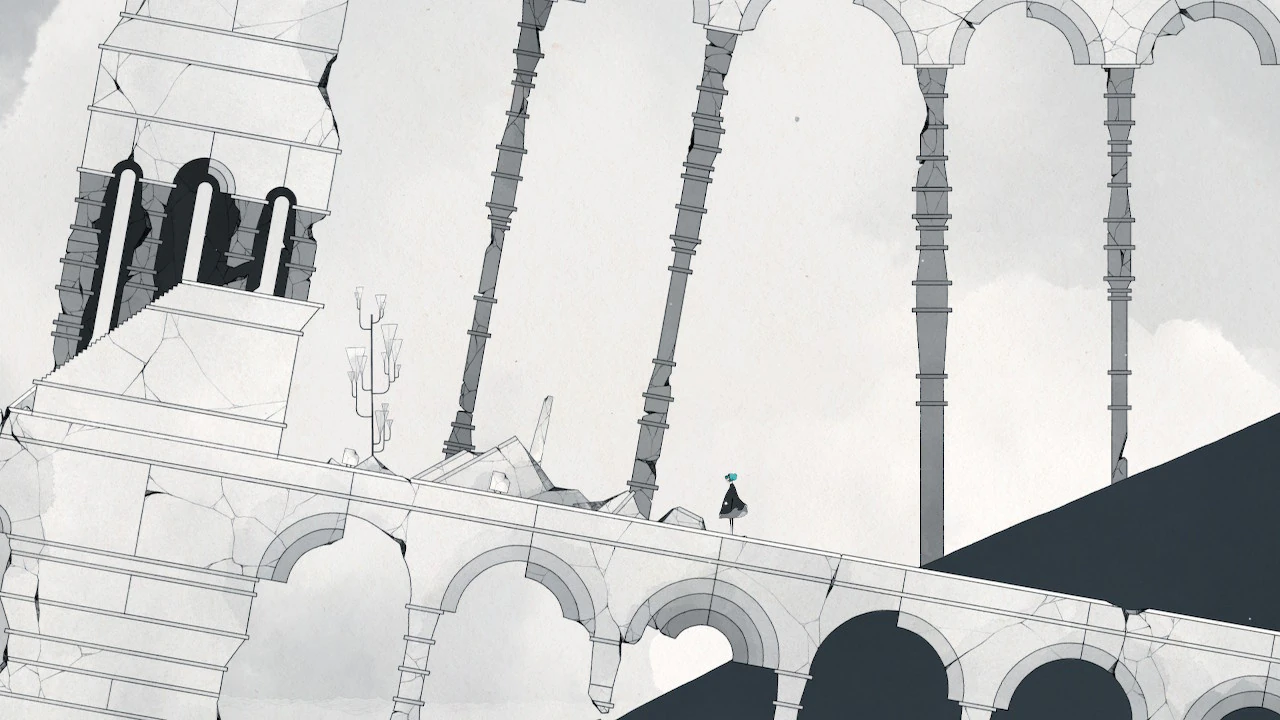
The whole artstyle of the game is very unique and full of contrast, each color bringing new visuals, but the whole game kind of feels like a huge painting brought to life with watercolor and inks. Every asset is clearly hand-drawn and excellently made, the animation work is top notch and implements many techniques, with some cutscenes that felt extremely raw and probably rotoscoped, I couldn’t look away from the screen.
It is a game that transmits many emotions, such as grief, loss, hope, and melancholy. The score by Berlinist is sublime. As I said, it was the main reason this game was on my radar for years before I even acquired it.
Gameplay-wise, this is more of an artistic experience, where you explore through a moving work of art. There really is no lose condition, and you don’t even fall from platforms on to spikes or any dangerous elements. If you fail, you simply land on a lower platform and climb up to where you left off. The lack of challenge could be turn off for some people, maybe, but I don’t see a problem here given the intent of the game.
All of Gris takes place in an single interconnected world, there are no loading screens—or they are hidden behind beautiful animations or transitions—there are no levels either. The game is pretty linear, with a set of challenges to overcome, even though it may feel like a Metroidvania at times, there’s little to no backtracking, except for some rooms within a zone, when there are central hubs or locked doors with challenges around it, required to unlock the path forward.
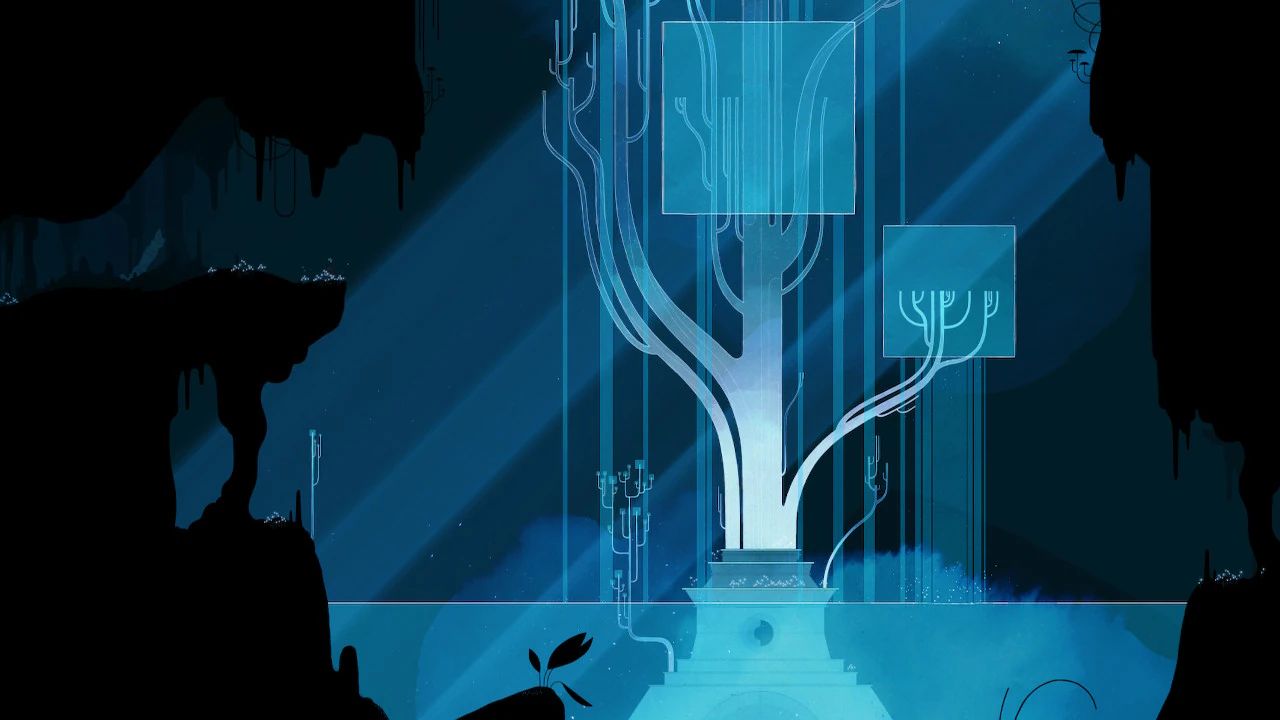
Gris does not feature any ground-breaking powers, to be honest. However, they are beautiful interpretations of the usual tropes. The gound pound, the double jump, swimming and the like, are some wonderful upgrades that are used in plenty of creative ways, and they even manage to give each ability a certain emotional undertone, as they amplify a certain aspect of Gris’ journey, not just on the world, but her feelings around what’s going on, and are also needed during plenty of memorable ways.
I don’t know how I can explain it without spoiling much, but I guess the colors that bring life to the world also bring with them many feelings, both positive and negative, which is something that I found very interesting. There’s a particular ability in the game that, as simple as it is, hits really differently when you finally get to unlock it. Each power can really feel like an impactful moment for the protagonist, and not just as an unlockable for game progression.
I think the most similar game to this one that I’ve played before has to be Ori and the Blind Forest, without the Metroidvania elements, and perhaps a little bit of Celeste, without the difficulty, of course.
There are a couple of surprising sequences which increase the challenge of platforming sequences, as well as companions during some of the journey, that can help us solve some puzzles or overcome different obstacles. Each of these encounters was incredibly well made, usually accompanied by unique animation, striking scenes and an excellent score—like most of the game, to be fair.
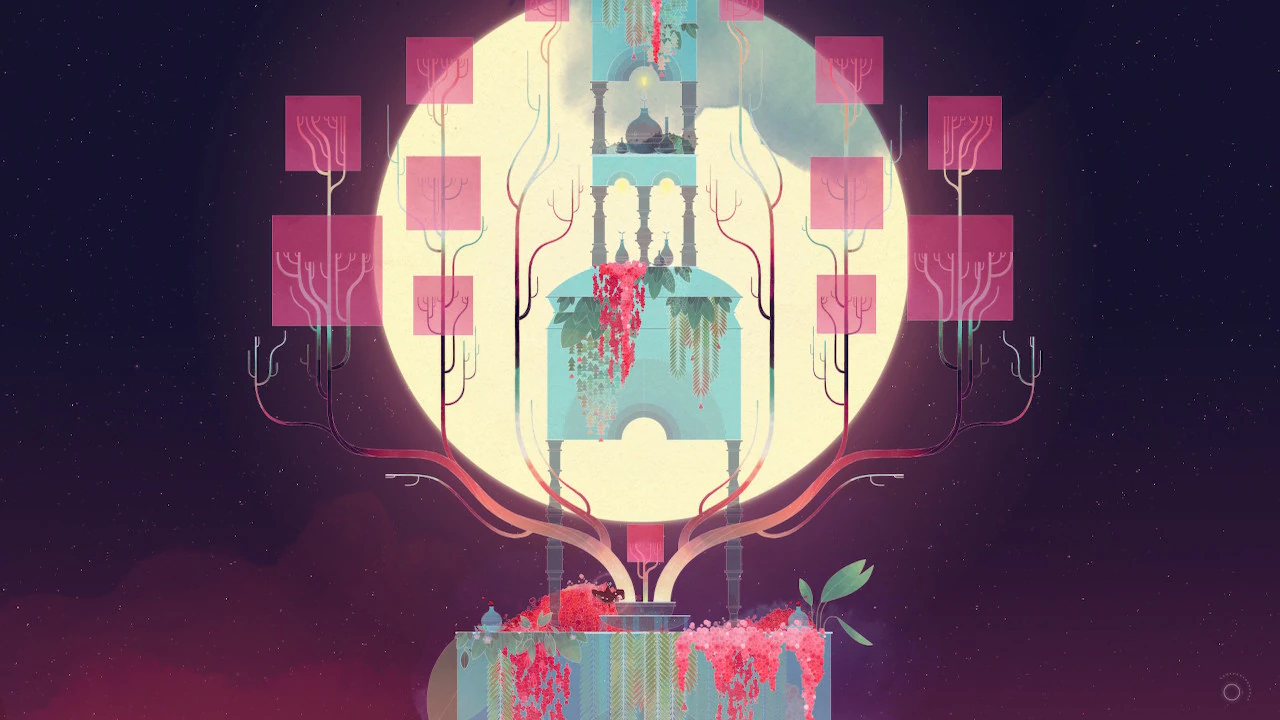
Something I found really interesting is the sense of scale in the game, the camera is not afraid at all of making you look like a dot, only visible due to Gris’ contrasting haircolor and not much else. Some of the puzzles, structures or platforms can be quite inspiring with an ominous feeling to them that is weird to see, especially when most platformers have a fixed camera distance. I believe some games like Inside do play around with that too, though they do so in a semi-3D environment.
Not a lot of things to say. This is a small, personal journey, which can be finished in a day or two. It is something worth a visit, it’s the kind of game you give to someone who thinks videogames are for kids, to prove how a videogame can absolutely be a piece of art too.
Not the most ground-breaking innovative title in gameplay terms, but definitely made with passion behind it and absolutely stunning at every moment. I feel like I repeated myself a lot on this review, but who cares, go and play it.
As a sidenote, for the longest time all my videogame reviews have simply been titled after the game, this is the first time where I add a few words to follow it up. I feel weird about it still, but this game’s name is so short I figured I’d give it a go.
This is day 23 of #100DaysToOffload and day 17 of #Blaugust2026
Backlinks
- Summer Game Challenge 2026 results! on September 15, 2026
Comments
If you have something to say, leave a comment, or contact me ✉️ instead
Reply via Fediverse
You can reply on any Fediverse (Mastodon, Pleroma, etc.) client by pasting this URL into the search field of your client:
https://fosstodon.org/@joel/117176443089263456

Are you looking for more? Here's some more great content for those who dare scroll down this section of the page. Suit yourself!


